Skip to content

What would you like to put in place for your life and independence?

Private enquiry
DeutschEnglish

Your Plan B / Uruguay · South America

Moving to Uruguay: find your home between city and coast

In Uruguay, a walk by the water can become part of an ordinary working week. Whether you choose Montevideo or a home on the Atlantic coast, the move brings the chance to build a different family life. EXOBASIS helps you choose where to settle and prepare a home you can reach, afford and use.

Somewhere to go, or somewhere to build a life?

You may want to leave Europe for good. Or you may want a place your family could go if war, repression or restrictions make staying unacceptable. Uruguay deserves a place in that decision because it offers choices within the country: an urban home in Montevideo, a coastal base around Maldonado and Punta del Este, or a smaller-city setting in Colonia.

A reserve abroad starts with permission to stay, a journey you can make, accessible money and a home available when you need it. A permanent move adds a longer horizon: your children’s next school years, your working life and the Spanish-speaking community you will join. Be clear about which you are preparing before committing to a property.

Your income shapes the move just as much as the location. A couple with established pensions, a family continuing a UK business and someone leaving a UAE employment package will need different arrangements. Start with who is coming, what income will continue and the education or treatment each person needs. Then you can judge whether the life you want in Uruguay is one your household can sustain.

Put the distance to work before leaving becomes urgent

Visit while you can choose the timing. Travel the route into Uruguay, view homes, meet a healthcare provider and work out how you would pay for the first months. A refundable booking gives you flexibility for that first visit. For a longer-term reserve, agree access to accommodation beyond the next holiday season, so you know where you would actually arrive.

British-citizen passport holders can visit for up to 90 days without a visa, with a possible further 90-day extension through immigration. Other travellers need the rule for their own nationality. A UK or UAE residence permit does not establish entry rights for the passport they hold.

Prepare transit permissions, children’s travel consent and access to essential medication before booking the final journey. Keep working payment methods with more than one provider. That way, a frozen account or a card that fails abroad need not leave the family unable to pay for arrival or accommodation.

If war is driving your decision, connect Uruguay with the timing and practicalities of departure through the family destination and travel-planning guide. The useful outcome is knowing how you would leave and where your family would spend the first night.

City life, a coastal home or a smaller place to settle

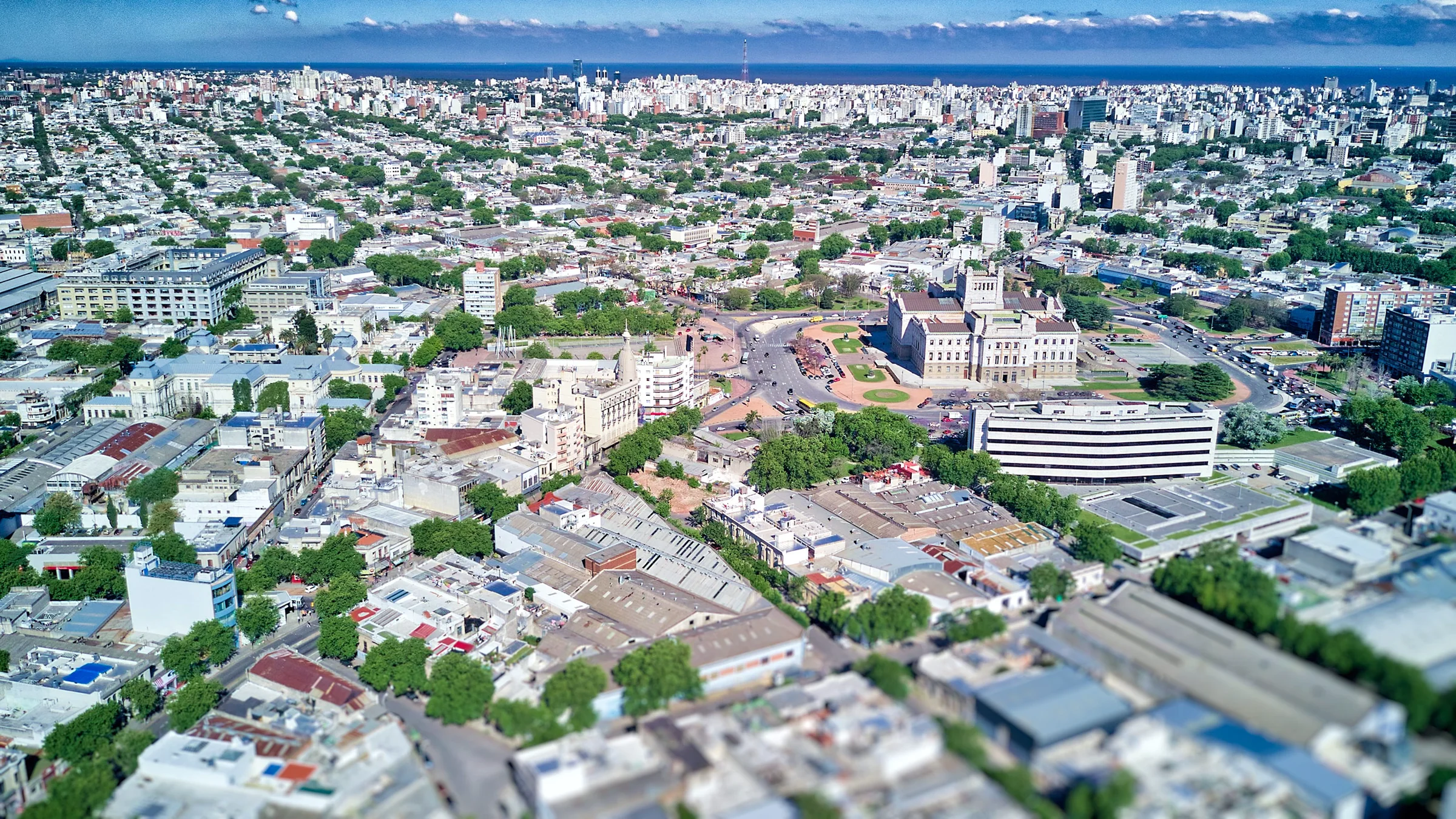
An aerial view of Montevideo, its residential districts and the coast beyond
Montevideo from abovePhoto: Marcelo Campi

Montevideo: a city routine with time by the water

Montevideo is a strong starting point when you want a broad choice of schools, medical services and year-round city life. Pocitos and Punta Carretas suit an urban search. Carrasco comes into focus when schools on the eastern side and access to the airport shape the family’s week. The appeal is the possibility of combining a working city with time by the water after the school run or the end of the day.

Walk the streets you are considering at different times and make the school and clinic journeys yourself. An address starts to mean something when you know how you would come and go. The entrance, the route home and the daily travel matter alongside the apartment itself.

Maldonado and Punta del Este: make the coast part of everyday life

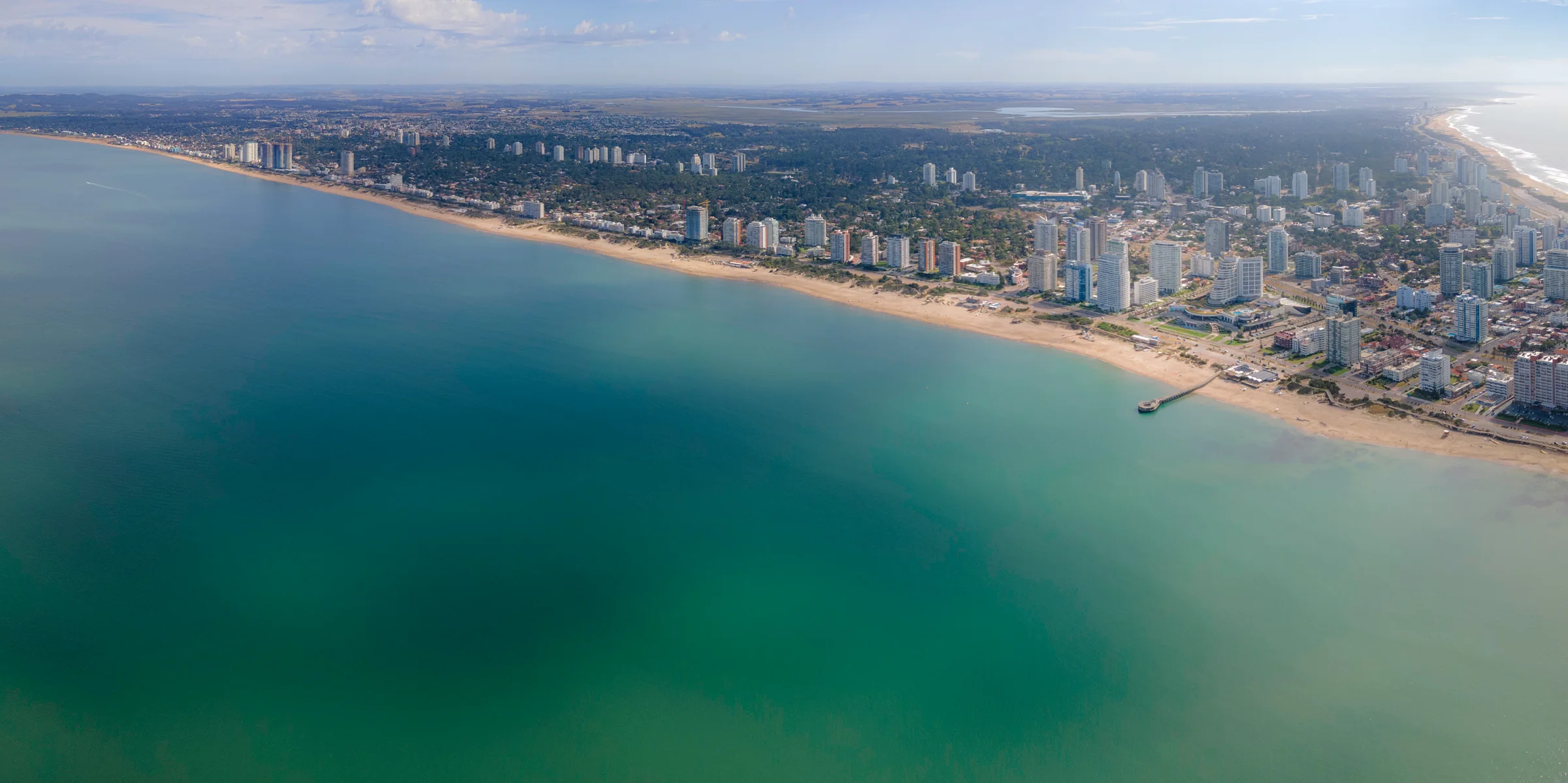
If you would rather build your days around a coastal home, look at Maldonado and Punta del Este, with services in the surrounding urban area. Spend time there outside the summer peak. See which shops you would use, how school transport works and how occupied the building feels. Check heating and winter damp while viewing the home. You want to enjoy living there through the quieter months as well as the holiday season.

Colonia del Sacramento: a smaller-city alternative

Colonia offers a different scale of urban life and is worth considering when links with Buenos Aires matter to you. Start with the local school and medical arrangements your household needs, including journeys for specialist care. That will show whether the smaller setting suits the whole family.

If your children are coming from a UK or UAE school, agree their year group, curriculum and recognition of previous studies before setting the move date. Ask the receiving school to confirm its calendar and the date they can start. Choose the home and the school together, so you can picture a normal week as clearly as the view that first caught your attention.

A home in Uruguay, with time elsewhere

You may want to spend part of the year in Uruguay while keeping family or work connections abroad. During a pending residency application, the Dirección Nacional de Migración requires a re-entry permit for each departure. Once residence has been granted, that particular permit is no longer needed. Keep travel plans tied to the stage your application has reached.

For permanent residence, article 47 of the Migration Law allows cancellation after an absence of more than three years. Article 48 prevents that cancellation from being carried out where you are the parent, spouse or cohabiting partner of a Uruguayan national. Keep a record of your travel and establish how these provisions apply to you before planning a prolonged absence.

The home needs its own arrangements. Name the person who holds the keys, checks the property, pays bills and prepares it before you return. Agree what they can authorise if there is a leak, a power failure or a security problem. If you let the property, reserve your own arrival periods explicitly. Rental income is useful only if the letting schedule also leaves you the access you need.

The Punta del Este coast with its beach, waterfront road and buildings
The Punta del Este coastPhoto: Jimmy Baikovicius

Uruguay residency: a route for the life you intend to build

The standard permanent-residence route is for foreign nationals who intend to settle in Uruguay. Separate routes cover qualifying Mercosur nationals and family relationships with Uruguayan nationals; temporary residence is also available for purposes including work or study. A British citizen or a non-Mercosur national living in the UAE would usually begin with the ordinary route unless their nationality or family relationship opens another one.

Prepare the evidence around your own circumstances

For ordinary permanent residence, you need current identity documents, criminal-record evidence, health and vaccination certificates, and proof of means of support. Adults need criminal records from their country of origin and countries where they lived for at least six months during the five years before entering Uruguay. The records must provide the required national coverage.

Income evidence needs to explain how you will support yourself there. A pensioner or someone living on investment income supplies an escribano certificate showing the income, monthly amount and how it is received in Uruguay. For employment with a foreign company, the certificate records the relationship, company details, earnings, payment method and how the work is carried out from Uruguay, including the relevant local labour and social-security position.

EXOBASIS organises the residence and document work, coordinates the local professional input and schedules the steps around your move. You can commission this as a defined assignment, whether it is the first part of a family relocation or the specific task you need help with.

Match your Uruguay base to the right residence arrangements
How you will use the baseResidence routeWhat to prepareWork EXOBASIS can handle
A reserve for a short-notice moveA British citizen can normally visit visa-free for up to 90 days. Emirati citizens and other nationals living in the UAE need the rule for their own passport checked. Ordinary permanent residence requires an intention to settle; owning a reserve home leaves that residence application to be dealt with separately.Valid passports, any required entry visa, onward-travel arrangements and documents for accompanying children. If you intend to settle, obtain the relevant civil and criminal records from the UK, UAE or other issuing country, with the authentication and translation the procedure requires.Clarify entry arrangements for each traveller, organise the documents and arrange an accessible home and arrival contact. Prepare a residence assignment around genuine settlement and the applicable procedure.
A lasting family homeOrdinary permanent residence for genuine settlement, or the Mercosur or Uruguayan-family route where nationality or the specific relationship qualifies. Living in the UK or UAE is separate from those eligibility tests. Work- or study-based temporary residence may fit a different intended stay.Identity, criminal-record, local health and vaccination documents, plus evidence matching employment, business, pension or investment income. Add family records, parental permissions and children’s school evidence. Attend the booked appointment with valid originals and an interpreter if you do not speak Spanish.Prepare the family files, coordinate local health and professional documents, organise appointments and follow up residence and cédula work. Connect those steps with housing, school admission, healthcare, arrival and the family’s personal attendance.
Time in Uruguay and other countriesVisits without settlement follow the permission for your passport and intended stay. During an application, each departure requires a re-entry permit; after residence is granted, that permit falls away. Articles 47 and 48 govern the separate permanent-residence absence rule and family exception.Keep travel records and distinguish a pending application from granted residence. During processing, obtain the permit before departure; more than six months away also requires criminal-record evidence from the country where you stayed. For permanent residence, assess absences exceeding three years and document any qualifying relationship as parent, spouse or cohabiting partner of a Uruguayan national.Organise the file, return appointments and re-entry work for your procedural stage, then a calendar for maintaining granted residence. Arrange property inspections, payments and preparation for your return, keeping your arrival periods clear when the home is let.

Tell us who is coming, your intended timing and the part you want us to handle. We arrange a protected exchange for personal records.

Ways to make a private enquiry

Rent first, or buy a home you want to keep

Give yourself time to get to know the neighbourhood

A furnished apartment lets you arrive, attend appointments and live in the area before making a longer commitment. For a long lease, settle the term, currency, rent adjustment, inventory and responsibility for repairs in writing. Add the gastos comunes, the building’s shared charges, to the rent when comparing apartments. Check whether utilities and internet are connected and whose name will be on the bills.

The rental guarantee deserves attention early in the search. A landlord may accept an insurer, an approved guarantor or a cash-backed guarantee. Banco Hipotecario del Uruguay offers a deposit guarantee held in indexed units, UI, under an agreement between landlord and tenant. Confirm what your landlord accepts before paying for a long lease. Foreign income records may need to be presented differently from a local employee’s payslips.

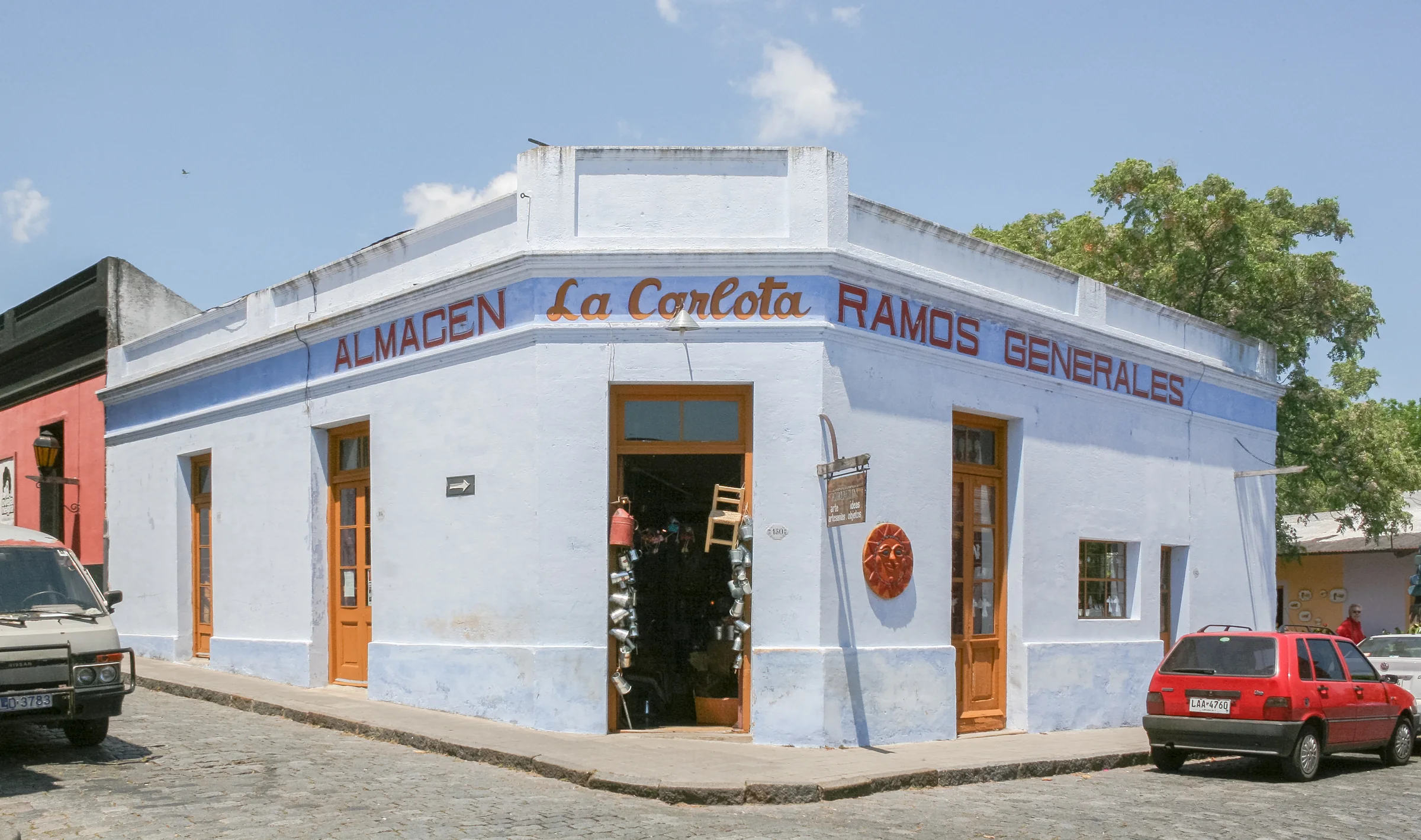
The pale facade of Almacén La Carlota on a street corner in Colonia del Sacramento
Almacén La Carlota in Colonia del SacramentoPhoto: Diego Delso · delso.photo · CC BY-SA 3.0

Buying as a foreigner

Uruguay’s Investment Law gives equal treatment to foreign and national investment. Foreign individuals can buy ordinary residential property before becoming Uruguayan residents. Appoint your own escribano, a local notarial professional, before signing a reservation or purchase commitment. They check the seller’s authority, title history, registered charges, outstanding obligations and the legal description of the property.

The Dirección General de Registros supplies certified information about acts recorded in the property register. A search uses the department, cadastral locality and padrón, the property’s identifying number, plus unit or plan details where needed. The certificate records the position at the time it is issued. Your professional connects it with the deed, cadastral plan and what is physically there, including building works and any occupants.

The usual sequence runs from reservation and due diligence to the purchase deed, payment, registration and possession. Budget for property-transfer tax, notarial fees, registration charges and any agency fee, alongside the ongoing property and building charges. Agree the transaction currency and satisfy the bank’s source-of-funds requirements before arranging the completion payment.

Through arrival and home setup, EXOBASIS can define and carry out the search brief, organise viewings and independent title and purchase checks, coordinate the contract and completion, and arrange the handover. Utilities, furnishing, inspections and preparation for your return can follow in the agreed scope. The aim is a home you can enjoy living in, with someone responsible for it when you are elsewhere.

Help the whole family settle in

Start with the school your child will join

For a child, moving becomes real in the classroom: the language, the lessons and the new group of classmates. Uruguay offers public and private schooling, including bilingual and international options. Public education is free, and Spanish is the usual language of instruction. Compare the available place and daily journey as part of choosing where to live.

Bring school reports, identity and birth records, and vaccination information. For older pupils, confirm recognition of previous studies and the qualification the new school leads towards. The Migration Law protects children’s access to education regardless of their parents’ irregular migration status. For a planned move, put residence and enrolment records together; the ordinary residence application also asks for a study certificate for children from age four.

The guide to moving with children and family connects these school decisions with parental consent and support for dependent relatives.

Know where you will go for care

Healthcare choices include the public ASSE network, mutual providers and private cover. FONASA entitlement follows eligibility within the national health system, including covered workers and family members. ASSE also offers fee-paying membership to people outside the free or FONASA categories, including foreign non-residents. Enrolment requires identity, household-income information and the relevant residence documents.

Start with the care your family already uses: a specialist, a regular prescription, paediatric services or ongoing treatment. Ask the provider about acceptance, waiting periods and the services at the branch nearest your proposed home. Those answers may settle the choice between two otherwise appealing locations.

Keep travel or interim medical cover in force throughout the move and align its end date with the start of local cover. The health-cover and care guide helps you bring the policy, treatment and travel arrangements together.

Pay for the life you want and keep your income working

Make everyday payments work before the move

A local account can make it easier to receive funds and pay household bills. BROU’s published requirements include identity, address and income evidence. Its foreign-customer documents call for two valid photographic identity documents, and the bank can request further information about you and the account’s intended use. Prepare the file for the account you need, including evidence for the source of any property-purchase payment.

For new foreign non-resident customers, BROU also specifies a fixed-term deposit of at least USD 5,000, or its equivalent, for a minimum of 181 days. Account and administration charges come on top. Include this tied-up money when comparing an account opened before you become resident.

Test a transfer and an ordinary payment before the account becomes essential to daily life. Keep a second working payment route and make sure login recovery and authentication are available outside the country you leave. For a large purchase, agree a separate payment timetable with the bank and your escribano.

EXOBASIS handles the preparation through our banking and liquidity service: organising the documents for your resident or non-resident status, separating any BROU fixed-term deposit from spendable household funds and planning the payments you need. Once the bank accepts the account, we coordinate the agreed payment and access tests.

Know what your work and income mean for tax

Uruguay’s tax-residence tests include spending more than 183 days in the country during the calendar year, as well as tests concerning principal activities or vital interests. Under the rules, short absences can count towards the presence test. Buying a home, receiving a cédula and becoming tax-resident are separate events to address in the move.

For professional services delivered online from Uruguay, the DGI states that income received by a Uruguayan tax resident is subject to IRPF because the activity takes place in Uruguay, even if the client is overseas. If you intend to continue consulting or other client work, build that treatment into your plans from the outset.

You may be keeping a UK company, employment or investments, or moving after years in the UAE. Establish the treatment of each income stream and the work you will perform before departure. The residence application itself asks employees of foreign companies to document how they work from Uruguay and their local labour and social-security position. EXOBASIS organises the cross-border tax and professional work alongside the move, so your household budget reflects income after the relevant obligations.

Keep three parts of the budget distinct

A home you like should leave room in the budget for the rest of your life. Obtain costs for the actual address and services, then assign a funding source and payment date to each of these three parts.

Everyday life in Uruguay
Rent or the running costs of your own home, building charges, utilities, food, transport, schooling, health cover and regular care. Include inspections and essential bills during the months you are away. Use those local figures to establish the recurring household budget.
The one-off move and setup
Initial journeys, temporary accommodation, document procurement, authentication, translation, local appointments and agreed professional work. Add the housing deposit or purchase-completion payments, moving, furnishing and connection or setup charges. Keep refundable deposits separate from fees and spending, and schedule each payment around the move.
Reserves for the country you leave
A retained home, insurance, family support, outstanding contractual payments and the overlap before departure is complete still need funding in the UK, UAE or your other base. Include a return journey or a delayed move. Keep this reserve separate from Uruguay’s setup money and confirm that you can access it from abroad.

EXOBASIS can organise local cost enquiries and the payment timetable with your arrival assignment. Your continuing commitments determine what remains available for Uruguay. Track any BROU fixed-term deposit separately as tied-up capital, leaving the household’s spendable funds visible.

Read how to keep banking and payments usable abroad for the preparations that matter when an account or device becomes unavailable.

Get the records moving before you pack

Start with the documents that take longest to obtain from another country: criminal-record certificates, birth and marriage records, and income evidence. Uruguay generally requires foreign public documents to be apostilled or legalised and, where necessary, translated by a Uruguayan public translator. Immigration identifies exceptions, including verifiable electronically issued documents. Check the requirement for each record before commissioning its translation.

For children, prepare properly documented parental permission to settle in Uruguay. A power issued abroad authorising another adult to act must expressly cover residence and meet Uruguayan formalities. Keep the birth certificate ready for the identity-document process too. If you do not speak Spanish, an interpreter is required at the immigration appointment.

Local health and vaccination certificates, income certification and the immigration appointment need to fit into one sequence. If you leave while the application is pending, obtain the re-entry permit before departure. More than six months abroad during processing creates a further criminal-record requirement.

Our residence and document service coordinates that sequence. You can travel knowing which originals to bring, which local documents remain to be completed and when you need to attend in person.

Come back to a home that has been looked after

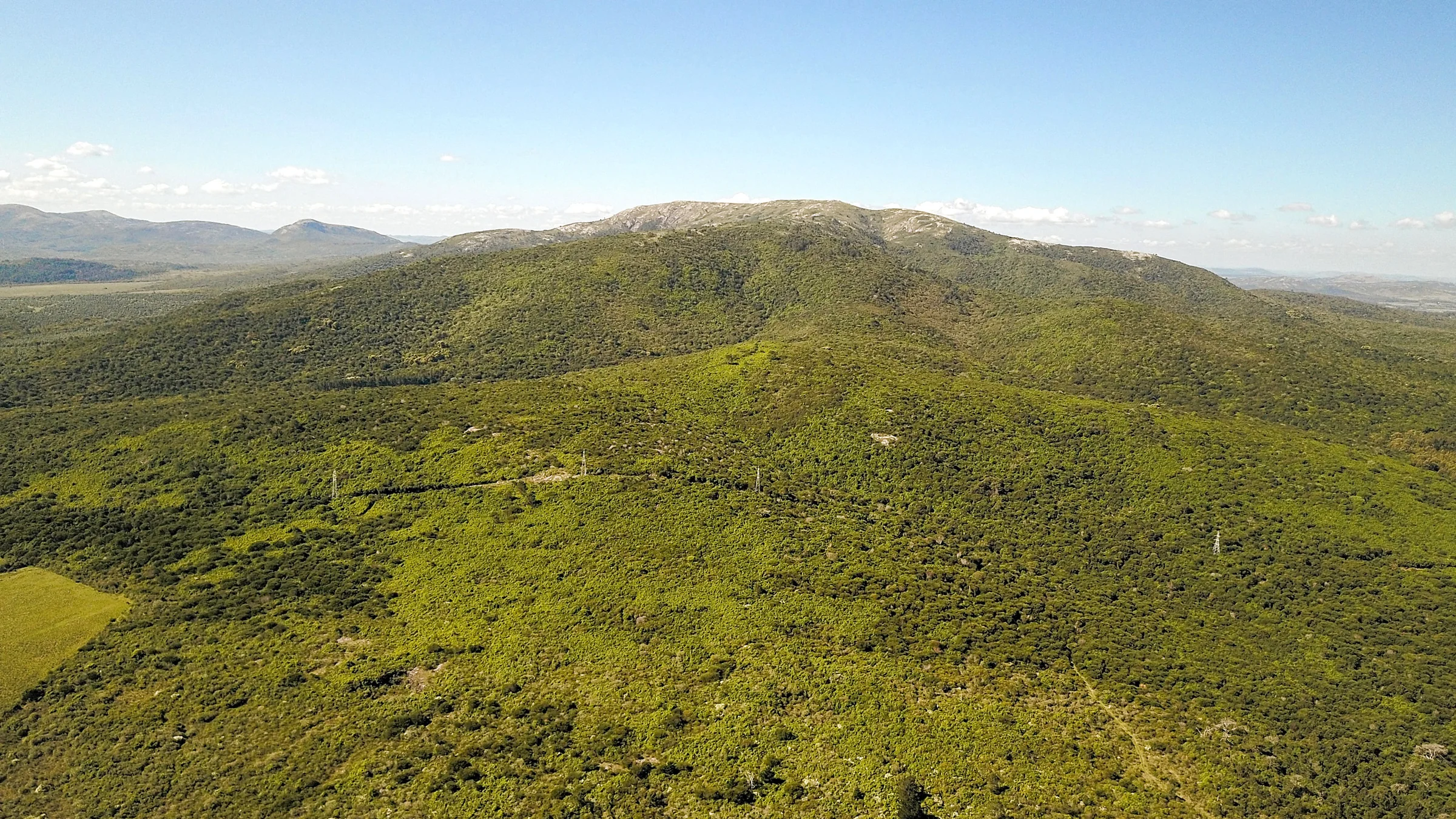
Green hills and an open view across the Sierra de las Ánimas in Uruguay
The Sierra de las Ánimas in UruguayPhoto: Marcelo Campi

When you are away, someone still needs to pay the bills and open the door for an inspection. Set a schedule for checking and ventilating the property, with additional visits after heavy weather. Uruguay experiences heavy rain and flooding; on the coast, local conditions and storm warnings belong in both the choice of home and its care. Check entrance security and parking when viewing properties in Montevideo and elsewhere. The FCDO identifies theft and vehicle break-ins as practical risks to address.

Your preparations need attention too. Set review dates for residence documents, identity cards, insurance, bank details and family travel arrangements. A new school, a change in income or a relative’s health may change what you need the base to provide. Update the arrangements when those things change.

With ongoing preparation and property care, EXOBASIS can organise checks and practical work, keep contacts current and have the home prepared before you return. Agree how often inspections happen, who may authorise repairs and what evidence you receive after each visit. You should know who is looking after the place while you are getting on with life elsewhere.

Take the next step towards your home in Uruguay

If you can see your family living here, the next step can be specific. Commission residence preparation, a home search, property-purchase coordination or arrival setup directly. EXOBASIS defines the work with you, organises the required local professionals and connects their tasks with the rest of the move. The handover brings together your documents, appointments, property arrangements and the people responsible for what follows.

Good to know

Can I buy a home in Uruguay before becoming a resident?

Yes. Foreign individuals can buy ordinary residential property before obtaining legal residence. Appoint your own escribano for the title, seller and registration checks. Prepare permission to live in Uruguay alongside the purchase, according to the time you intend to spend there: ownership and residence are separate processes.

Photography credits