



Your Plan B / Knowledge
Moving abroad with your family: prepare a life that works
Start with the life each person needs at the other end. The country, neighbourhood, home and timetable should support that life.
One household can contain several different legal situations
Build the plan around every person who may travel, including a partner, children from an earlier relationship and relatives needing assistance. Record nationality, residence, dependency and who has authority to make decisions. The lead applicant’s permission does not settle everybody else’s position.
If one parent travels first, work out the consent and evidence needed for the child’s later journey. The European Commission explains that national rules differ and a transit country or airline may require its own authorisation. Obtain the documents for the whole route.
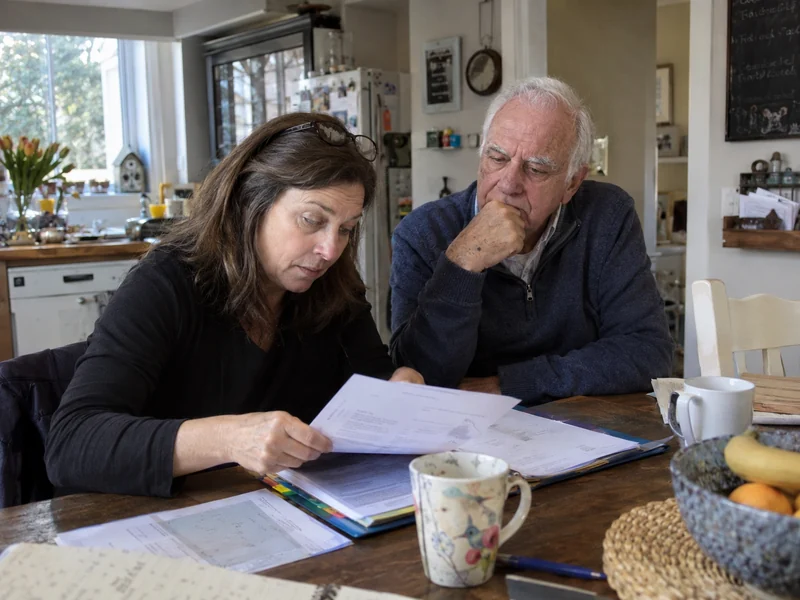
Keep custody or court questions with the appropriately qualified family-law adviser. Then connect the confirmed position with passports, bookings, school records and the person accompanying the child.
Go further
Give children a route into school and ordinary routines
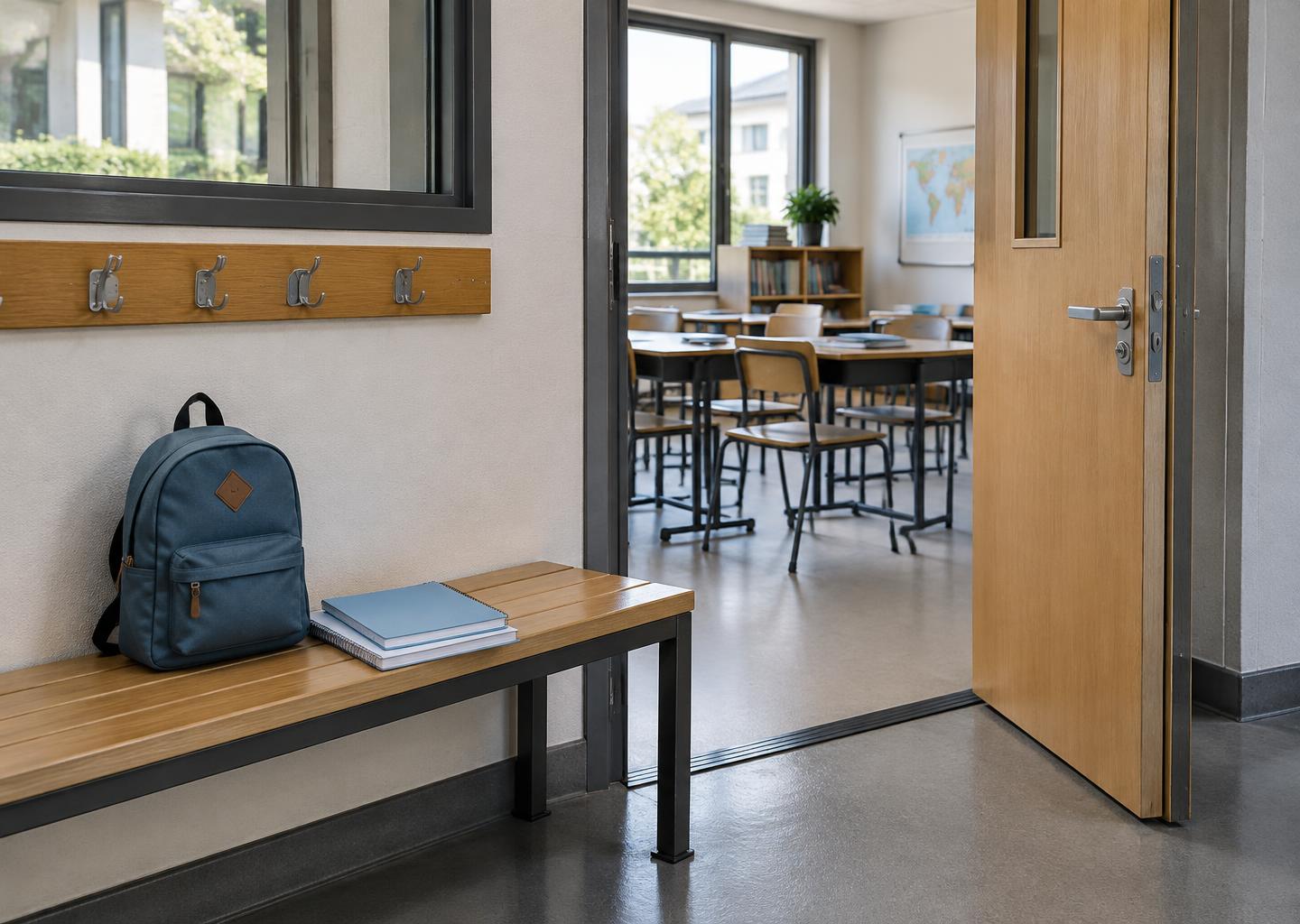
Choose the school arrangement before committing to a long tenancy. Ask the school about actual places, entry assessments, curriculum, language support, learning needs and the records it requires. Fees, deposits, transport and term dates belong in the family budget and arrival calendar.
For a temporary refuge, continuity with the present school may matter most. For permanent relocation, the new curriculum and progression to later qualifications deserve more weight. Discuss the change with each child in language they can understand and preserve manageable routines during the move.
Collect reports, vaccination information where requested, learning-support plans and relevant contact details. If a relative will help, agree who can collect the children and deal with the school. A school name on a shortlist is an early step; a place, start date and practical journey to school make it usable.
Go further
Let health and care needs shape the location
Identify treatment that cannot be interrupted, repeat prescriptions, mobility needs and daily support before choosing a neighbourhood. A major hospital somewhere in the country is less useful than a provider able to deliver the specific care within a practical journey from your home.
For planned stays within the scope of GHIC or EHIC arrangements, specialised treatment can still require advance agreement. NHS guidance explicitly says dialysis and chemotherapy should be arranged with the healthcare provider before travel because local capacity may be unavailable.

Confirm the policy position and the treatment position separately. For a relative who needs help with bathing, meals or medication, identify the actual carer, language, hours and substitute cover. Carry a clinician-prepared summary and organise a handover to the receiving provider.
Go further
Choose accommodation for arrival, settling in or a lasting base
A serviced apartment or furnished short let can give the family a stable first address while you view longer-term options. A long tenancy can support school routines once the neighbourhood is right. Buying can suit a durable second base or permanent home, but the purchase should follow the family’s needs and the local legal review.

- Before a rental commitment: establish the landlord’s authority, permitted occupants, deposit, payment dates, notice, break clauses, inventory, utilities and repairs. Put agreements in the contract.
- Before a purchase: organise independent checks on ownership and title, encumbrances, permitted use, foreign-buyer conditions and the seller’s authority. Understand transaction taxes, registration, professional fees and ongoing charges.
- Before arrival: arrange keys, sleeping arrangements, food, communications, transport and a named contact for a late or disrupted journey.
EXOBASIS can handle the property-search brief, shortlist and viewings, organise independent title and purchase review, coordinate the contract and completion steps, and arrange handover and ongoing care. An exploratory visit can test the school run, treatment journey and working environment before a longer commitment.
Go further
Include pets and the home you leave behind
International pet transport has its own timetable. Establish the animal’s identification, destination and transit requirements, vaccinations, any tests, certificate window, carrier acceptance and travel crate. Confirm that the arrival accommodation accepts the pet and arrange care if the animal cannot travel on the same day.
For dogs, cats and ferrets entering the EU from a non-EU country, the European Commission distinguishes identification, rabies requirements, the applicable health document and the owner’s movement. An authorised person can accompany the pet; the owner must travel within five days before or after the animal, with the required written declaration. A journey outside those conditions needs a different assessment of the movement rules. Ask the vet and transport provider to confirm the actual route before booking.
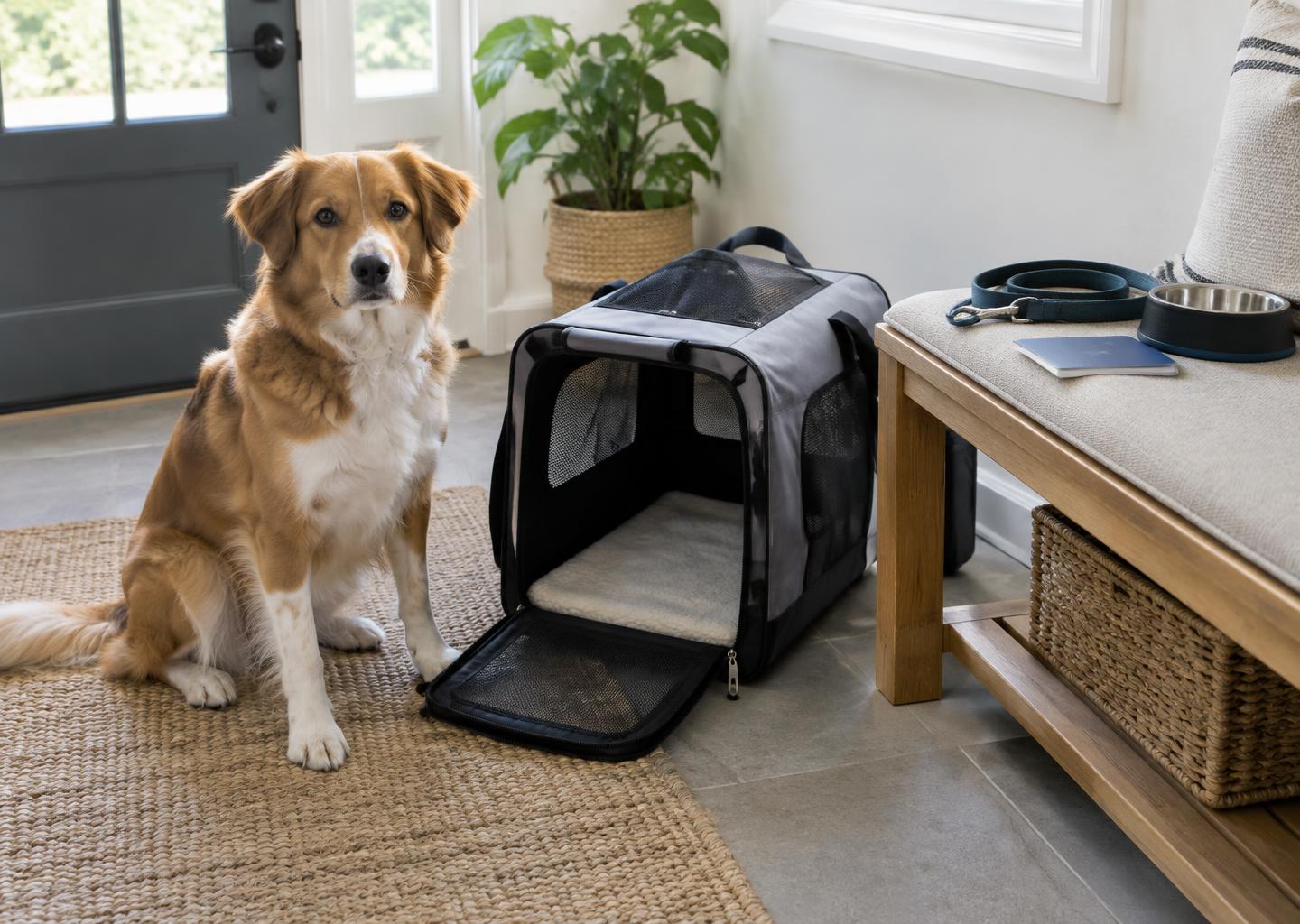
Pet relocation services can be organised as part of the family’s arrival. Tell us early about the animal, its present country and any health or handling needs so the pet timetable does not become the family’s late obstacle.
For the property left behind, tell the insurer about the intended absence and agree the checks its terms require. Arrange keys, inspections, post, maintenance and payment of continuing costs. If someone may need to authorise repairs or deal with a lender, give them the appropriate authority and an agreed spending limit.
Make return or permanent settlement a conscious choice
A temporary move needs a review date and conditions for returning. Retain the records, permissions and property arrangements needed to make that return practical. Keep school and employer commitments under review so an extended stay does not turn into a series of missed decisions.
For a permanent move, decide when the old tenancy, household services, care and financial arrangements can end without leaving a gap. The new routine should be functioning before you remove something the family still depends on.
Try the plan during a reconnaissance stay where possible. Test the journey, payment methods, internet, neighbourhood and daily care arrangements. Record what worked and what requires a different choice.

Have the family preparation organised
EXOBASIS brings the residence, documents, home, care and arrival tasks together. We organise the agreed searches and appointments, follow up with schools and providers, arrange local work and keep the sequence clear for your family.
You can commission a focused task such as finding and preparing accommodation, organising a purchase or arranging arrival. A wider family plan connects those tasks with departure, money and ongoing responsibilities. Tell us who is involved, the needs that cannot be interrupted and whether this is a reserve option or a permanent move.

Go further